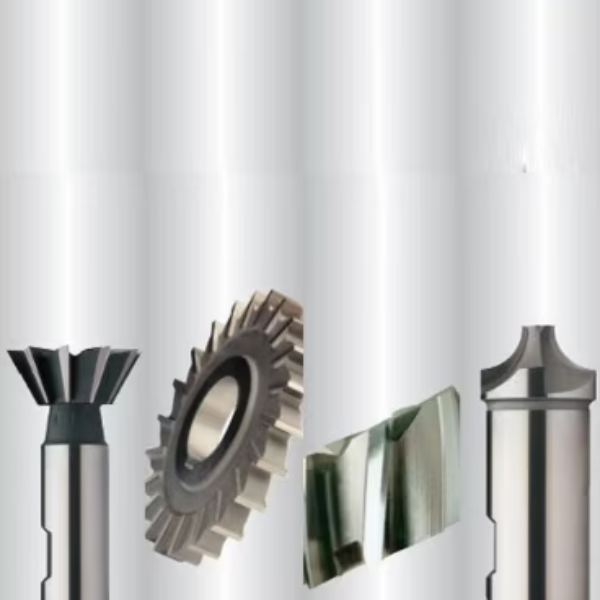
Selecting the correct milling cutter is one of the most important decisions in any machining process. Even with an advanced CNC machine and an experienced operator, using an unsuitable cutter can result in poor surface finish, longer machining cycles, excessive tool wear and inconsistent dimensional accuracy.
Manufacturers across Delhi's engineering, automotive and fabrication sectors often machine a wide range of materials, making cutter selection an essential part of production planning. R.S. Tools & Engineers Pvt. Ltd. provides industrial cutting tools designed to support different machining requirements, helping businesses choose tools that match both the material and the operation.
Begin with the Machining Operation
Before selecting a milling cutter, define the exact machining task. Different cutters are designed for different purposes, and using one cutter for every operation is rarely efficient.
Common applications include:
- Face milling
- Slot milling
- Side milling
- Profile milling
- Pocket machining
- Finishing operations
- Rough machining
Each operation places different loads on the cutter and requires different cutting geometries.
Consider the Workpiece Material
Material properties directly affect cutter performance.
For example:
- Mild steel generally allows versatile cutter selection.
- Alloy steels require greater wear resistance.
- Hardened steels demand specialised cutting tools.
- Aluminium often benefits from sharper cutting edges designed for efficient chip evacuation.
Selecting a cutter without considering the material may lead to premature wear and inconsistent machining quality.
Factors That Influence Cutter Performance
Several elements work together during milling.
These include:
- Machine rigidity
- Spindle speed
- Feed rate
- Depth of cut
- Coolant availability
- Cutter overhang
- Tool holding quality
Ignoring any one of these factors can reduce the effectiveness of even a premium milling cutter.
Signs It's Time to Replace a Cutter
Operators should regularly inspect milling cutters for:
- Chipped cutting edges
- Increased vibration
- Poor surface finish
- Higher spindle load
- Excessive heat generation
- Burr formation
- Dimensional variation
Replacing a worn cutter before catastrophic failure helps protect both the machine and the workpiece.
Making Better Purchasing Decisions
Manufacturers in Delhi should avoid selecting milling cutters based solely on purchase price. Instead, compare overall machining efficiency, tool life, repeatability and production consistency.
Testing cutters under actual production conditions provides more meaningful data than relying on catalogue specifications alone.
Choosing the right milling cutter is ultimately about matching the tool to the application. A carefully selected cutter can improve machining quality, reduce downtime and support more predictable production across a wide variety of industrial operations.