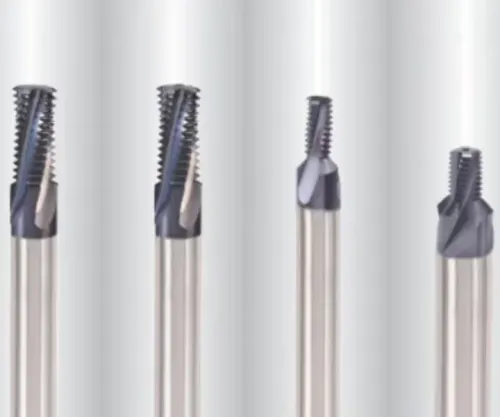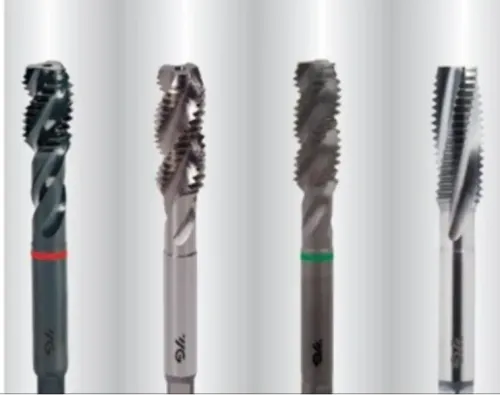

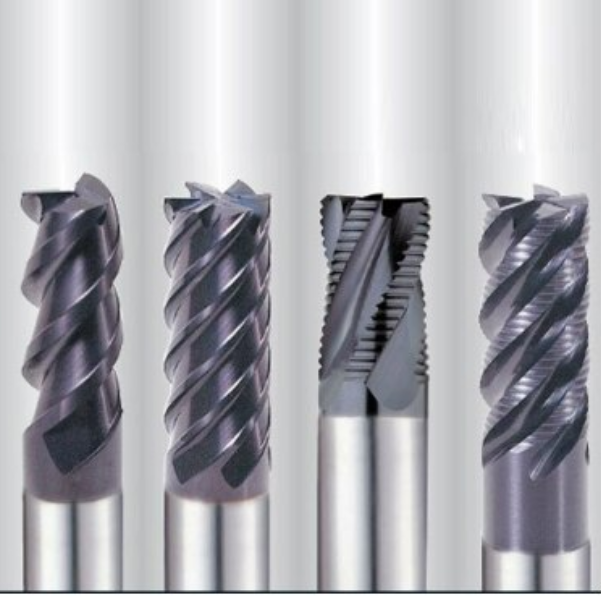
Industrial cutting tools influence far more than machining speed. They affect productivity, tool consumption, component quality and overall manufacturing efficiency. When evaluating Jet Power cutting tools, manufacturers should focus on measurable performance rather than marketing claims.
Engineering companies throughout Delhi require tooling that performs consistently across repeated production cycles while maintaining dimensional accuracy and reliable tool life. R.S. Tools & Engineers Pvt. Ltd. works with manufacturers seeking cutting solutions that align with practical production requirements.
Define Your Production Needs First
Before selecting any industrial cutting tool, answer a few basic questions.
- What material is being machined?
- Is production low-volume or continuous?
- What surface finish is required?
- What tolerance must be maintained?
- Is cycle time a priority?
These answers help narrow the selection far more effectively than choosing tools based on brand familiarity.
Key Performance Indicators to Compare
Instead of comparing tools by appearance or price, evaluate measurable production data.
Important factors include:
- Tool life
- Cutting consistency
- Surface finish
- Dimensional repeatability
- Machine load
- Cycle time
- Tool replacement frequency
Tracking these metrics over multiple production batches provides meaningful insights into long-term value.
Why Machine Compatibility Matters
Even a high-performance cutting tool cannot compensate for unstable machining conditions.
Before introducing a new tooling system, verify:
- Spindle accuracy
- Tool-holder condition
- Coolant delivery
- Workpiece clamping
- Machine rigidity
Many machining problems incorrectly attributed to cutting tools actually originate from the machine setup.
Cost Per Component Is More Important Than Purchase Price
A cutting tool that costs slightly more but lasts significantly longer may reduce the overall machining cost.
Manufacturers should include:
- Machine downtime
- Operator intervention
- Tool inventory
- Scrap rate
- Production interruptions
when calculating tooling value.
This broader perspective provides a more realistic understanding of manufacturing costs.
Building a Reliable Tooling Strategy
Industrial buyers in Delhi should review tooling performance regularly rather than replacing tools only after problems appear.
Recording tool life, monitoring wear patterns and reviewing machining data allow production teams to optimise future purchases.
Jet Power cutting tools should be assessed as part of a complete manufacturing process. When selected according to the material, machine capability and production objectives, they can contribute to more efficient machining and predictable production performance.