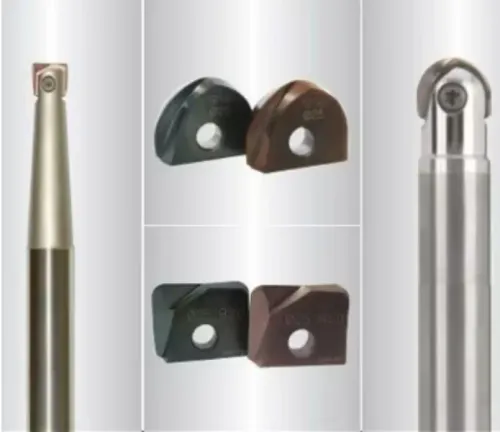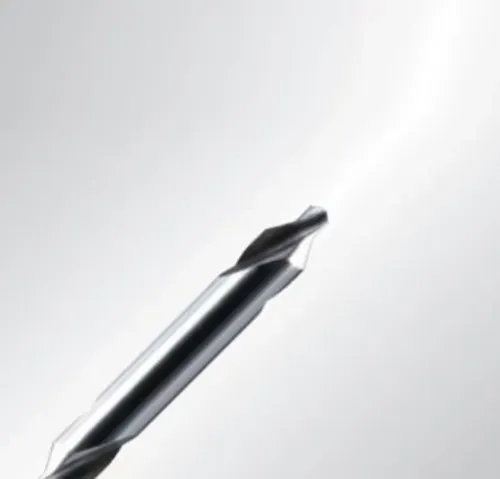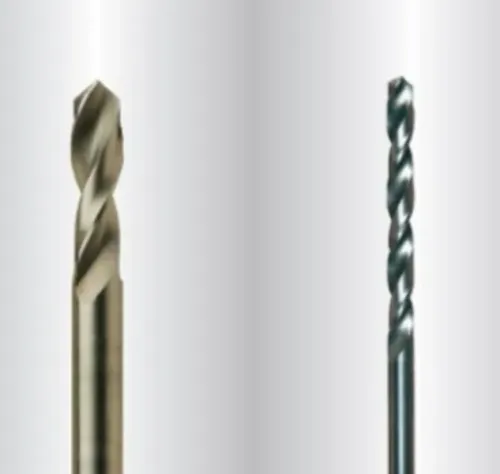
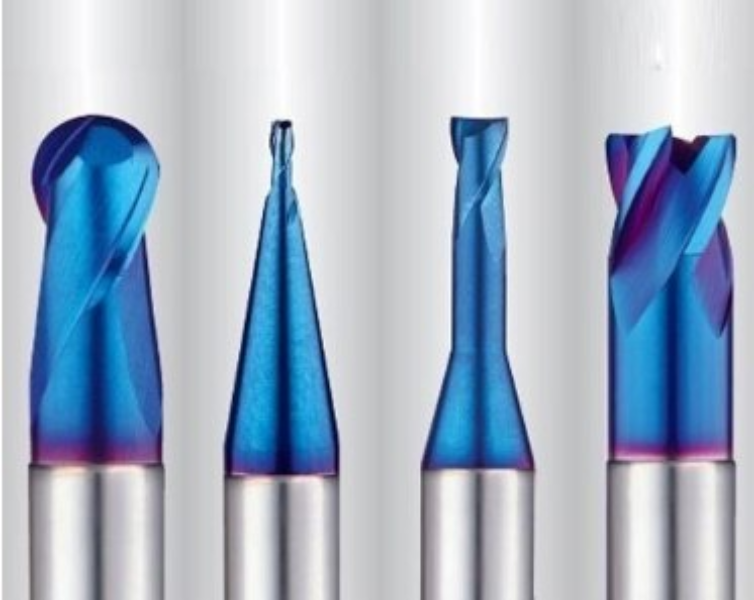
Coatings receive considerable attention in modern cutting-tool selection, but a coated cutter is not automatically the best choice for every milling operation. In certain materials and machining conditions, an YG Brand Uncoated Milling Tool can provide a practical alternative.
The decision should be based on workpiece material, cutting conditions, surface requirements and production economics. R.S. Tools & Engineers Pvt. Ltd. works with manufacturers in Delhi that require milling tools suited to specific CNC and conventional machining applications.
What Does an Uncoated Milling Tool Offer?
An uncoated cutting tool has no additional surface coating applied over the cutting material. This can allow manufacturers to work with a sharp cutting edge without the additional coating layer.
That characteristic can be beneficial in applications where cutting-edge sharpness is especially important.
However, uncoated tools may have different wear and heat-management characteristics compared with coated alternatives. The suitability therefore depends heavily on the operation.
Uncoated vs Coated Milling Tools
Rather than asking which type is universally better, compare them according to the machining requirement.
Uncoated tools may be considered when:
- A particularly sharp cutting edge is desirable
- The workpiece material responds well to sharp geometry
- Cutting conditions do not create excessive thermal loads
- The specific operation benefits from an uncoated edge
Coated tools may be preferable when:
- Higher cutting temperatures are expected
- Abrasive wear is a major concern
- Longer production runs place greater demands on the cutting edge
- The coating is specifically suited to the workpiece material
Tool substrate and geometry remain important in both cases.
Questions Delhi Manufacturers Should Ask Before Selecting
Start with the material being machined. Avoid selecting a milling cutter based solely on what is already available in the tool cabinet.
Then consider the operation. Is the tool roughing, slotting, profiling or finishing? What depth of cut is required? How much of the cutter is engaged?
Machine capability should also influence the decision. A rigid CNC machining centre may allow cutting strategies that are unsuitable for a less stable setup.
Finally, examine production quantity. Tool-life improvements can have greater economic importance in continuous production than in occasional machining.
Compare the Complete Cost, Not Just Tool Price
Suppose one cutter has a lower purchase cost but requires more frequent changes. Another costs more initially but provides longer stable machining. Purchase price alone cannot show which option is more economical.
Manufacturers should consider downtime, cycle time, rejected components, tool changes and achievable surface quality.
For Delhi machining businesses, an YG Brand Uncoated Milling Tool can be a sensible option when its cutting characteristics align with the application. The important step is to compare coated and uncoated alternatives using actual machining requirements instead of assuming that additional coating always means better performance.