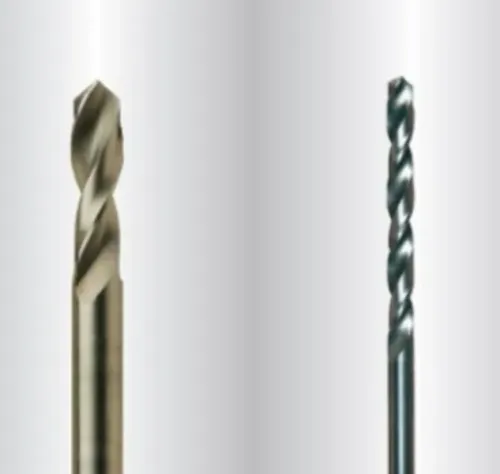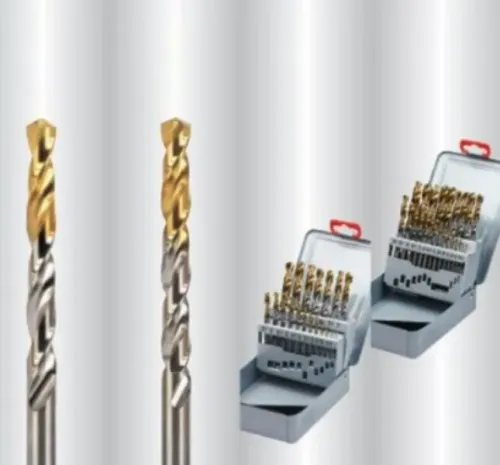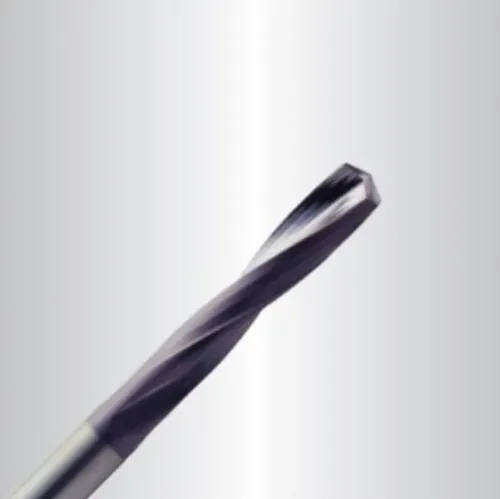
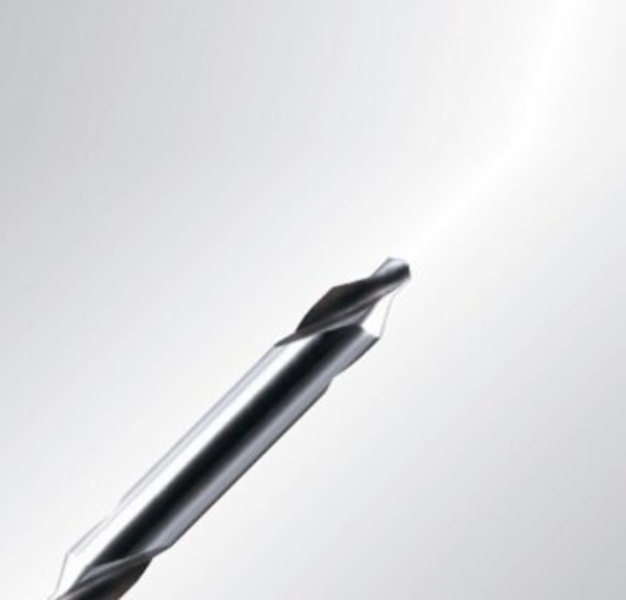
A centre hole may look like a minor machining feature, but its accuracy can influence every operation that follows. Poor centring can contribute to drill wandering, alignment problems and inconsistent results, particularly when components require close dimensional control.
For manufacturers evaluating Cobalt YG Center Drills, the practical question is how they differ from ordinary centre drills and when their additional capabilities are useful. R.S. Tools & Engineers Pvt. Ltd. supports manufacturers and engineering units in Delhi with cutting-tool solutions for different machining requirements.
How Cobalt Center Drills Differ
Cobalt-alloyed high-speed steel is developed to retain cutting hardness at elevated temperatures. This can make cobalt centre drills useful when machining tougher materials or operating under conditions where conventional HSS tools experience faster wear.
The main distinction is not simply that one tool is 'stronger.' Tool material, geometry, workpiece material and machining parameters work together.
A standard HSS centre drill can remain a practical choice for general machining and moderate production requirements. A cobalt centre drill becomes worth considering when greater heat resistance and wear performance are important.
When Delhi Manufacturers Should Consider Cobalt YG Center Drills
Cobalt YG Center Drills can be evaluated for applications involving tougher steels, repetitive machining and components where reliable centring is important.
Potential applications include:
- Preparing accurate starting points for subsequent drilling
- Centre drilling components before turning between centres
- Tool-room machining
- Precision engineering components
- Automotive component production
- General CNC machining
- Repetitive production operations
The correct choice depends on material hardness, machine condition and the required centre-hole geometry.
Cobalt vs Standard HSS: What Actually Matters?
For occasional work in relatively easy-to-machine materials, a standard HSS centre drill may provide adequate performance.
In more demanding production conditions, cobalt can offer advantages because its hot-hardness characteristics help the cutting edge withstand higher temperatures.
However, upgrading tool material without correcting poor machining conditions rarely solves the complete problem. Excessive runout, incorrect speed, unstable holding or poor workpiece clamping can still damage a higher-grade tool.
Signs Your Current Center Drill May Be Unsuitable
Repeated tool replacement is an obvious warning, but other indicators are equally important.
Watch for irregular centre holes, excessive burr formation, discolouration caused by heat, premature edge wear and inconsistent starting accuracy. These symptoms can indicate incorrect parameters or a mismatch between the drill and workpiece.
For engineering businesses in Delhi, the better approach is to compare tools on cost per acceptable component, not simply purchase price. If a Cobalt YG Center Drill produces more consistent holes and requires fewer interruptions in a demanding operation, its production value may outweigh a lower initial tool cost.