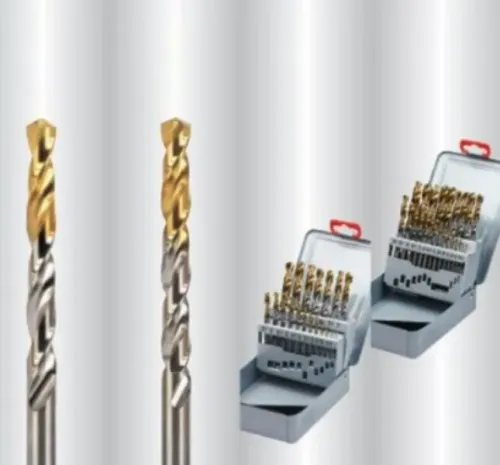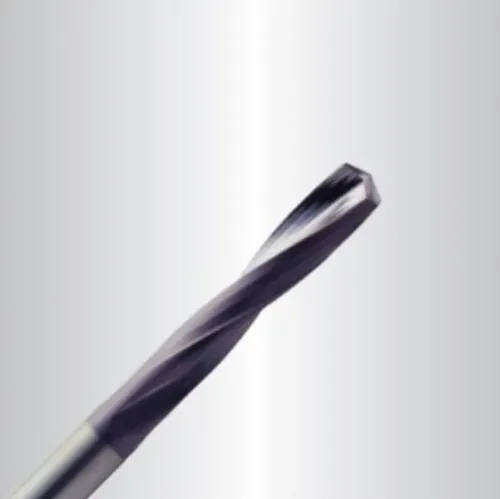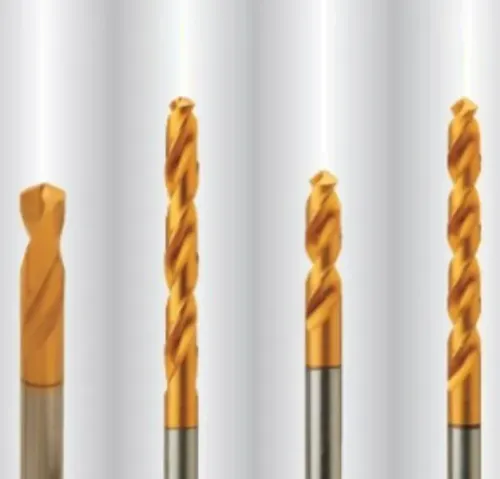
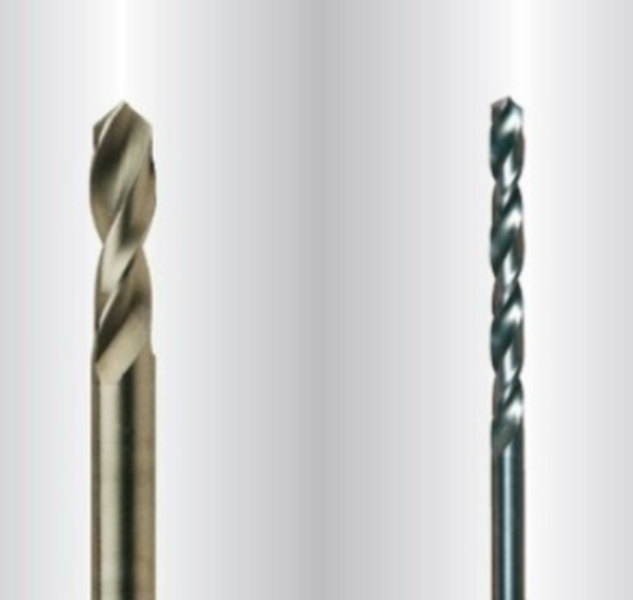
Carbide drills are widely used in modern machining because manufacturing operations increasingly demand faster production, tighter tolerances and reliable repeatability. However, simply switching from another drill material to carbide does not automatically produce better results.
Understanding where General Carbide Drills perform well helps manufacturers use them more effectively.
R.S. Tools & Engineers Pvt. Ltd. caters to industrial cutting-tool requirements in Delhi, including applications where carbide drilling can support productive and consistent machining.
Why Is Carbide Used for Industrial Drills?
Carbide offers high hardness and good resistance to wear at elevated cutting temperatures. These properties make carbide drills suitable for many production machining environments.
Compared with conventional drilling tools in suitable applications, carbide can support higher cutting performance and longer productive tool life.
The important qualification is suitable applications. Carbide is hard but comparatively less forgiving of vibration, impact and unstable machining conditions.
Where General Carbide Drills Are Commonly Used
Carbide drills can be useful for machining a variety of engineering materials, depending on the tool grade and geometry.
Typical applications include:
- Automotive components
- Machine parts
- Precision engineering components
- Dies and mould-related work
- Industrial equipment parts
- Repetitive production drilling
- CNC machining operations
For manufacturers operating in Delhi and NCR, carbide drills can be particularly relevant where production volume makes cycle time and tool consistency important.
Carbide Drills vs HSS Drills
Both carbide and HSS drills have valid industrial applications.
HSS generally offers good toughness and can tolerate certain less-rigid machining conditions. Carbide provides greater hardness and can enable higher cutting performance where machine stability is adequate.
This means carbide should not automatically replace HSS in every operation.
A workshop using older equipment, for example, may need to evaluate spindle condition and tool holding before adopting carbide for a demanding operation. On a rigid CNC machine with controlled parameters, carbide may offer considerably different productivity potential.
How to Improve Carbide Drill Life
Tool life depends heavily on machining conditions.
Keep tool runout within acceptable limits and use a stable holder. Ensure the workpiece is clamped securely, because movement during drilling can place abnormal loads on the cutting edges.
Coolant delivery should also be appropriate for the drilling application. As holes become deeper, effective cooling and chip evacuation become increasingly important.
Operators should avoid making arbitrary speed and feed adjustments based solely on sound or appearance. Recommended starting parameters should be adapted systematically according to the machine, material and observed tool behaviour.
Finally, inspect used drills. Wear patterns can reveal valuable information about excessive heat, instability or unsuitable machining parameters.
General Carbide Drills can provide dependable performance when tool selection and machining conditions work together. For Delhi manufacturers looking to improve drilling productivity, the strongest results generally come from evaluating the complete process, material, machine, holder, coolant, cutting data and tool, rather than judging the drill in isolation.