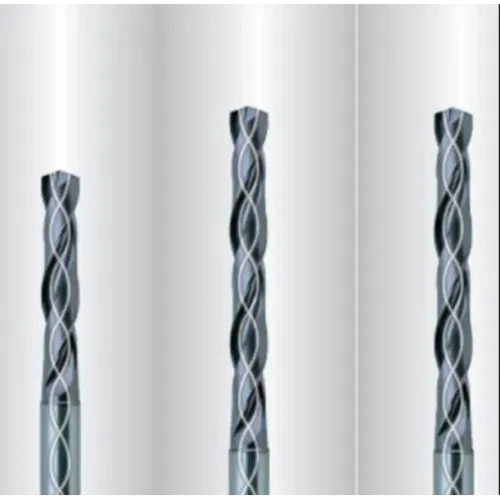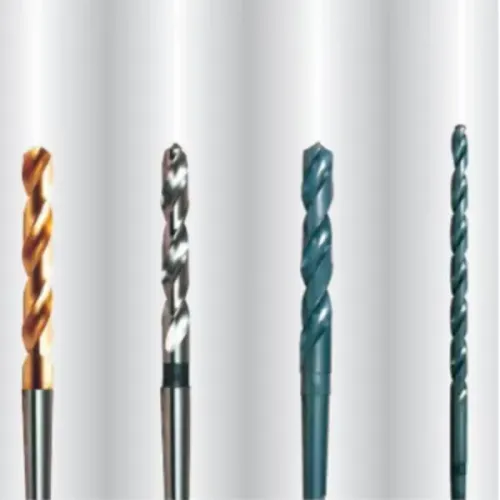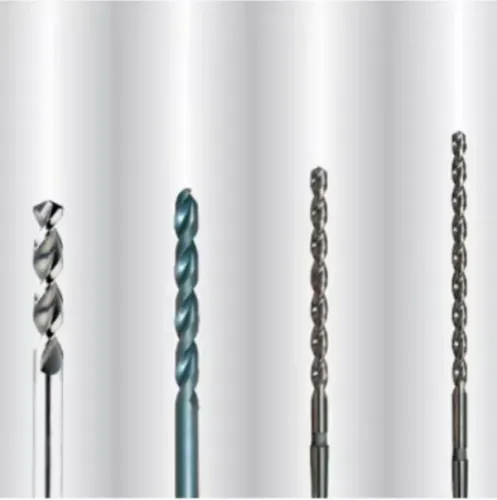
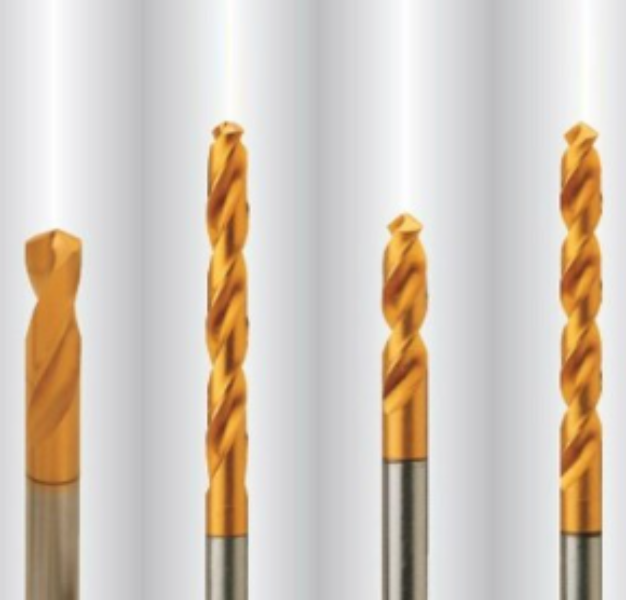
High-precision drilling is not simply about producing a hole of the required diameter. In demanding manufacturing environments, the hole must also maintain dimensional accuracy, position, surface quality and repeatability. This is where High Accuracy HPD Drills become valuable for manufacturers working with components that have tight machining tolerances.
R.S. Tools & Engineers Pvt. Ltd. supports industrial machining requirements in Delhi with cutting-tool solutions suited to precision-focused production environments. Understanding how HPD drills work can help production teams determine where they fit into an existing machining process.
Why Drilling Accuracy Matters in Delhi Manufacturing Units
Manufacturing businesses across Delhi and the wider NCR region work with automotive components, engineering parts, dies, moulds, machine components and fabricated assemblies. In many of these applications, inaccurate drilling can affect subsequent operations.
A drilling error may lead to:
- Incorrect hole diameter
- Poor hole positioning
- Excessive surface roughness
- Additional reaming or finishing
- Component rejection
- Longer machining cycles
- Premature tool replacement
High Accuracy HPD Drills are intended for applications where consistent hole quality is important across repeated machining operations.
What Makes an HPD Drill Suitable for Precision Work?
A precision drill needs more than a sharp cutting edge. Its geometry, rigidity, material characteristics and chip evacuation behaviour all influence machining results.
A well-selected HPD drill can support better dimensional control while reducing unwanted tool movement during cutting. Stable drilling is particularly useful when manufacturers need to maintain consistent results across larger production batches.
Chip evacuation is another important consideration. Chips that remain inside the hole can interfere with the cutting process, increase heat and affect the finished surface. Efficient chip removal helps the drill continue cutting more consistently.
Where Are High Accuracy HPD Drills Used?
These drills can be relevant in several industrial environments, including:
Automotive component manufacturing: Precision holes are frequently required in housings, brackets, transmission-related components and other machined parts.
General engineering: Manufacturers producing machine parts and assemblies often need repeatable drilling across multiple workpieces.
Die and mould manufacturing: Accurate machining is particularly important when dimensional deviations can affect the final mould or die.
Production machining: High-volume machining operations benefit when a drilling tool can produce predictable results with fewer corrective operations.
The correct application depends on the workpiece material, machine condition, hole depth, diameter, cutting parameters and production requirements.
Getting Better Results from Precision Drilling
Even a high-quality drill will not compensate for unsuitable machining conditions. Manufacturers should check spindle condition, tool holding, workpiece stability, cutting parameters and coolant arrangements before evaluating drill performance.
Runout should also be controlled carefully. Excessive runout can create uneven cutting loads and reduce both hole accuracy and tool life.
For Delhi manufacturers, the practical goal should be to create a stable drilling process rather than simply selecting a drill based on diameter.
When High Accuracy HPD Drills are matched correctly with the machine, workpiece and application, they can help improve repeatability, reduce unnecessary secondary machining and support more consistent component quality.