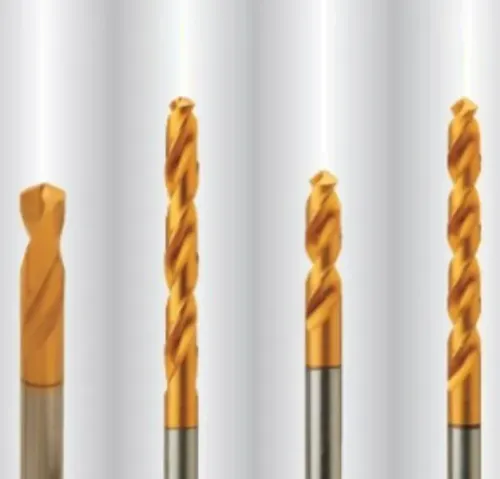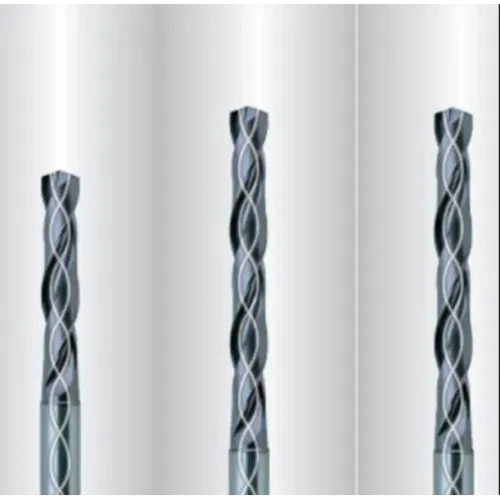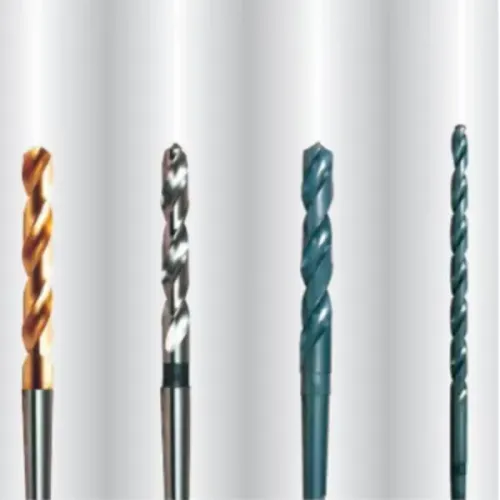
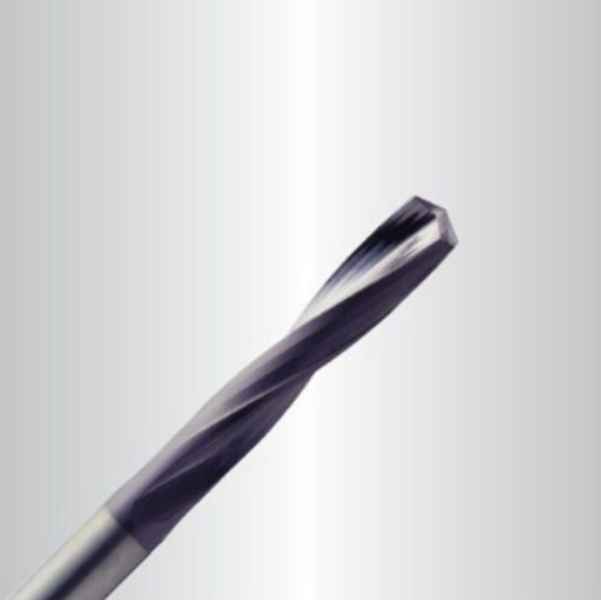
Machining hardened steel creates a very different set of challenges from drilling ordinary mild steel. Higher material hardness increases cutting forces, heat generation and wear at the cutting edge. Choosing the right drill therefore becomes an important part of maintaining productivity and dimensional consistency.
R.S. Tools & Engineers Pvt. Ltd. serves manufacturing and engineering requirements in Delhi, where specialised cutting tools such as High Hardened Steel Dream Drills are relevant for difficult drilling applications.
Why Hardened Steel Is Difficult to Drill
Hardened steel is commonly selected because of its strength, wear resistance and durability. Those same characteristics make the material demanding to machine.
Typical drilling problems include:
- Rapid cutting-edge wear
- Excessive heat generation
- Chipping at the drill edge
- Poor surface finish
- Reduced hole accuracy
- Longer machining time
- Frequent tool changes
Trying to machine hardened material with an unsuitable general-purpose drill can make these problems more severe.
How Dream Drills Address Hardened Steel Applications
High Hardened Steel Dream Drills are designed around the requirements of difficult-to-machine materials. Tool geometry and cutting-edge characteristics play an important role in helping the drill enter and remove material effectively.
Rigidity is especially important. When cutting forces increase, an unstable tool can deflect or vibrate. This may influence hole position, diameter and surface quality.
Heat management is another major consideration. Excessive temperature can accelerate wear and reduce cutting performance. Appropriate cutting parameters and coolant conditions therefore remain essential even when using a drill developed for hardened materials.
Hardened Steel Drilling Applications in Delhi
Engineering businesses in Delhi and surrounding industrial areas may encounter hardened materials in applications such as:
- Dies and moulds
- Machine components
- Automotive tooling
- Jigs and fixtures
- Precision engineering parts
- Wear-resistant components
- Industrial tooling
The most suitable drill depends on more than material hardness alone. Hole depth, diameter, machine rigidity, production volume and the required tolerance should all influence tool selection.
Best Practices for Better Drill Performance
Before machining hardened steel, confirm the actual material grade and hardness. Two steels that appear similar can behave differently after heat treatment.
Manufacturers should also avoid automatically using cutting parameters that worked for softer materials. Speed and feed should be selected for the specific tool and workpiece combination.
Reliable tool holding is equally important. Poor clamping or excessive runout increases instability at the cutting edge and can shorten tool life.
Regular inspection can reveal wear before it begins affecting finished components. Tracking the number of holes produced per tool can also help production teams establish a more predictable replacement schedule.
High Hardened Steel Dream Drills can be an effective option when manufacturers need to drill hardened materials consistently. The best results come from treating the drill as one part of a complete machining system that includes the machine, holder, coolant, cutting parameters and workpiece setup.