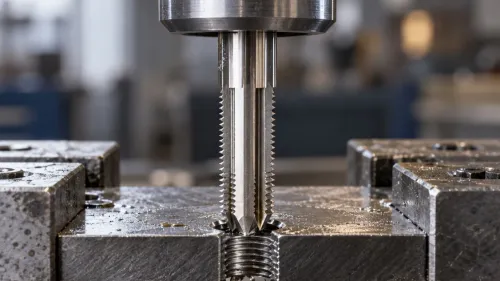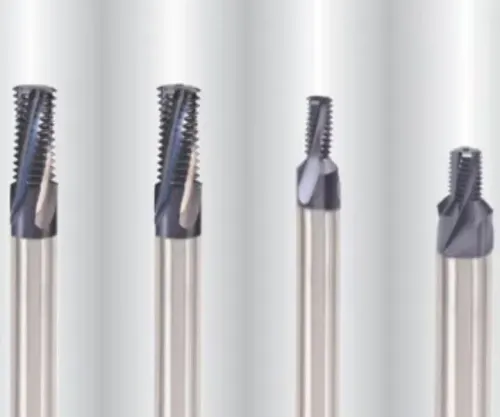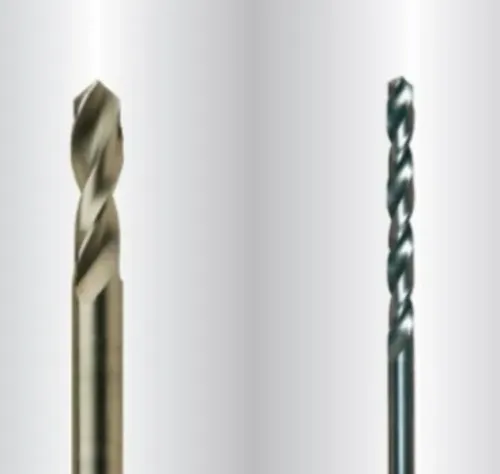

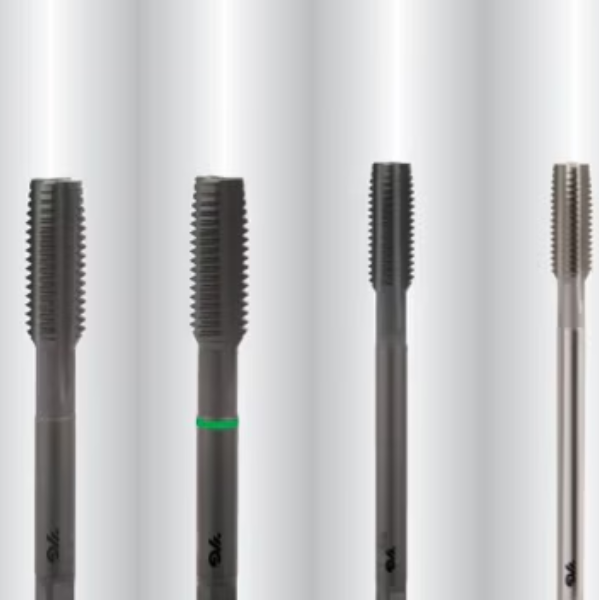
A tap must produce a thread accurately while handling cutting forces, chips and friction inside a hole. The geometry selected can strongly influence whether that process remains stable. Straight flute taps are widely recognised as one of the established tap configurations, but they should be chosen according to the hole type, workpiece material and machining conditions.
For engineering units in Delhi, supplying complete application details before purchasing taps can prevent many avoidable threading problems.
Understand Straight Flute Geometry
Straight flute taps have flutes that run along the tap without the pronounced helical geometry associated with spiral-fluted designs.
Their suitability depends on the specific threading application and the behaviour of the workpiece material.
Rather than choosing them simply because an existing tap looks similar, confirm the intended application and technical specification.
Identify the Hole Type
One of the most important distinctions is whether the hole is through or blind.
In a through hole, chips can potentially move beyond the threaded section depending on the tool and cutting action. In a blind hole, chip space is limited by the bottom of the hole.
Chip management becomes particularly important because packed chips can increase torque, damage threads or contribute to tap failure.
Specify the Thread Correctly
A purchasing request should identify more than the nominal diameter.
Where applicable, provide:
- Thread standard
- Nominal diameter
- Pitch
- Thread depth
- Hole type
- Workpiece material
- Machine or hand application
- Production quantity
This reduces ambiguity and helps ensure the supplied tap matches the drawing requirement.
Diagnose Failure Before Reordering
When taps repeatedly break, purchasing a larger quantity of the same product may not solve the problem.
Investigate possible causes such as:
- Incorrect tapping-hole size
- Misalignment
- Excessive speed
- Poor lubrication
- Chip accumulation
- Excessive thread depth
- Worn toolholding equipment
- Incorrect tap selection
Tap breakage is especially costly when a broken tool becomes lodged inside a high-value component.
Consider Cost Per Thread
A lower-cost tap may be appropriate for some jobs, but production environments should evaluate performance over a meaningful number of components.
Record the number of acceptable threads produced, cycle time, failure frequency and component damage associated with each option.
A tap that produces more consistent threads with fewer unexpected failures may justify a higher purchase cost.
Selecting Straight Flute Taps in Delhi
Industrial buyers should choose suppliers that can identify the requested specification accurately and provide repeat supply when the tap becomes part of an established production process.
R.S. Tools & Engineers Pvt. Ltd. serves Delhi's machining and manufacturing sector with threading and other industrial tooling solutions. For straight flute taps, sharing the thread specification and material details can help make product discussions more precise.
Prepare Before Placing an Order
Before requesting a quotation, check the engineering drawing and existing process sheet. Confirm the tap size, pitch, hole depth and material.
If the existing process has a problem, describe it. 'Tap breaks after 30 holes' is more useful technical information than simply requesting a replacement.
Straight flute taps can provide reliable threading when the geometry suits the application and the process is correctly controlled. Accurate specification, appropriate lubrication, alignment and chip management are therefore just as important as the tap itself.