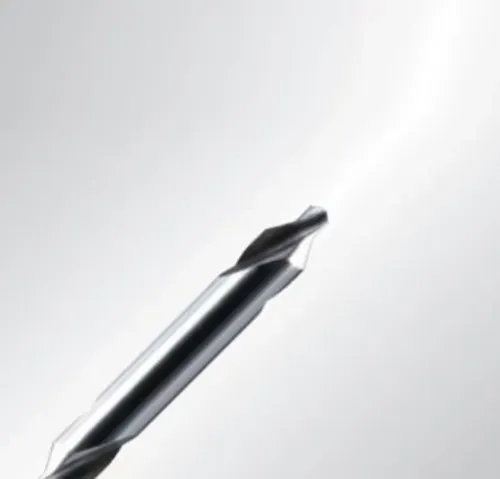
Despite the growing use of carbide tooling, the HSS Drill remains an important part of industrial machining. High-speed steel offers a useful combination of toughness, versatility and machinability, making HSS drills relevant across maintenance departments, fabrication shops, tool rooms and production facilities.
The difficulty is that two drills of the same diameter may perform very differently. R.S. Tools & Engineers Pvt. Ltd. supplies cutting-tool solutions for industrial requirements in Delhi, where buyers often need to balance tool performance, machine conditions and production cost.
Start With the Material You Need to Drill
Tool selection should begin with the workpiece, not the drill catalogue.
Identify whether the application involves mild steel, alloy steel, non-ferrous material or another engineering material. Material hardness and machinability directly affect cutting forces, heat and wear.
If several different materials are processed in the same workshop, a general-purpose HSS drill may be useful for certain operations, while more specialised tooling may be justified for demanding jobs.
Check Drill Dimensions Beyond Diameter
Diameter is only one specification.
Before placing an order, confirm:
- Required drill diameter
- Overall length
- Flute length
- Shank configuration
- Hole depth
- Through-hole or blind-hole application
- Machine and holder compatibility
Selecting unnecessary extra length can reduce rigidity. Conversely, insufficient flute length can create difficulties when machining deeper holes.
When Is HSS Better Than Carbide?
Carbide can provide excellent cutting performance, but HSS has advantages in particular environments.
HSS is tougher and generally more tolerant of interrupted conditions, vibration and certain less-rigid machine setups. This can make it practical for conventional machines, maintenance applications and workshops handling varied jobs.
Carbide becomes attractive where higher cutting performance and wear resistance can be fully utilised under stable conditions.
Neither material should be selected purely because it is perceived as more advanced.
Evaluate Tool Cost Through Production Performance
Delhi manufacturers purchasing HSS Drills in volume should monitor more than the unit price.
Record tool life, holes produced per drill, cycle time, regrinding potential where applicable, component quality and frequency of unexpected failure.
A slightly cheaper drill that wears rapidly can create higher production costs through downtime and replacement frequency.
Check the Machining Setup Before Blaming the Drill
If HSS drills repeatedly fail, changing suppliers may not solve the underlying issue.
Check spindle runout, workholding stability, tool alignment, coolant conditions, speed and feed. Examine worn drills for signs of overheating, uneven wear or edge damage.
Tool performance becomes much easier to evaluate when machining conditions are controlled.
When sourcing HSS Drills for manufacturing operations in Delhi, buyers should focus on application compatibility, dimensions, tool quality and measurable production performance. A well-matched drill can provide dependable results without forcing the workshop to pay for capabilities the application does not actually require.