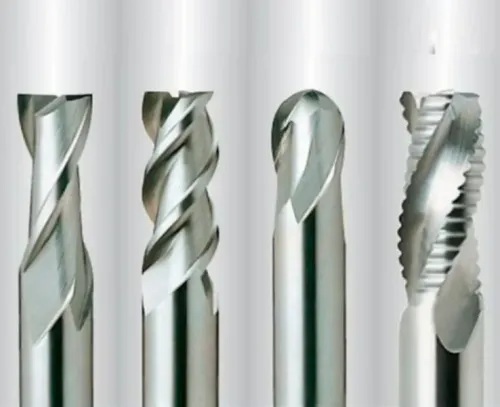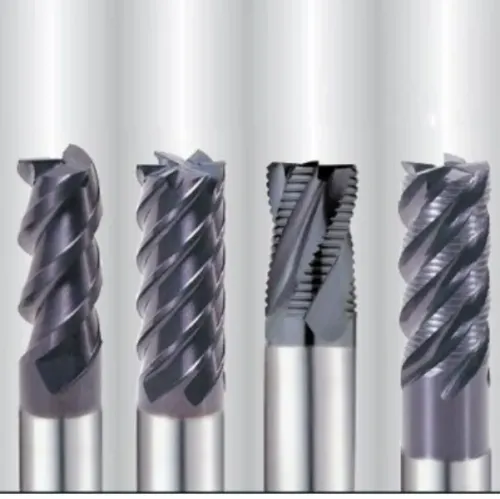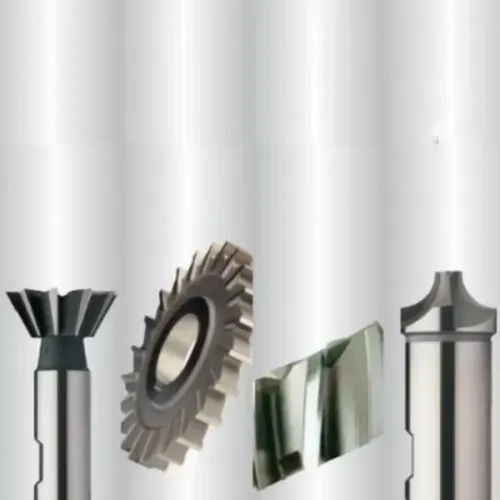
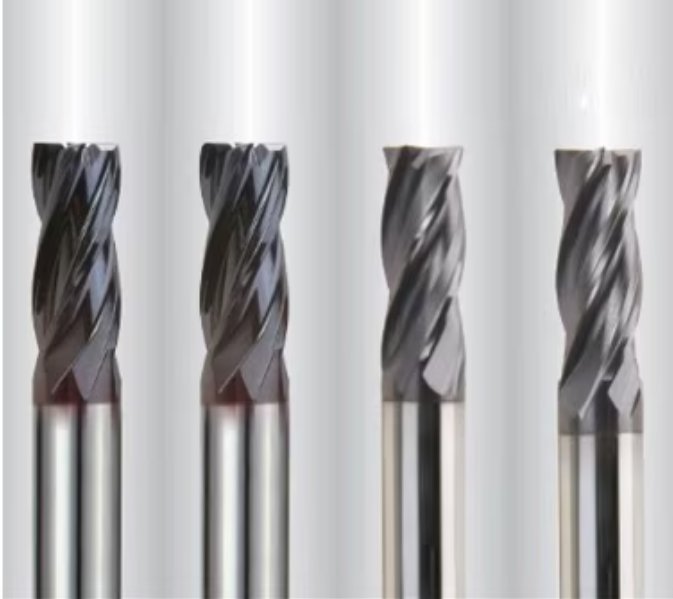
Steel remains one of the most commonly machined materials across manufacturing industries. However, milling steel efficiently requires more than a capable machine. The steel milling tool itself plays a critical role in maintaining productivity, dimensional accuracy and surface quality.
Manufacturers in Delhi serving automotive, fabrication, heavy engineering and precision machining sectors often process different grades of steel, making proper tool selection increasingly important. R.S. Tools & Engineers Pvt. Ltd. supplies industrial cutting tools suited to a variety of steel machining applications.
Understand the Steel Grade
Not all steel behaves the same during machining.
Manufacturers may work with:
- Mild steel
- Alloy steel
- Tool steel
- Stainless steel
- Heat-treated steel
Each material produces different cutting forces, temperatures and chip characteristics.
Selecting a milling tool designed for the intended material helps improve machining stability.
Tool Geometry Influences Performance
The geometry of a milling tool affects:
- Chip evacuation
- Heat generation
- Cutting pressure
- Surface finish
- Dimensional accuracy
Proper geometry allows chips to leave the cutting zone efficiently, reducing unnecessary heat and improving cutter life.
Common Challenges During Steel Milling
Operators frequently encounter:
- Excessive vibration
- Built-up edge
- Tool wear
- Poor finish
- Inconsistent dimensions
- Cutter chipping
Many of these issues can be reduced by selecting the correct cutting tool and maintaining suitable machining parameters.
Improving Milling Efficiency
Manufacturers should periodically review:
- Feed rates
- Cutting speeds
- Depth of cut
- Coolant application
- Tool overhang
- Machine stability
Even small adjustments can improve productivity without changing the cutting tool.
Long-Term Tool Management
Successful machining operations treat cutting tools as managed production assets rather than consumables.
Maintaining records of tool life, machining conditions and replacement intervals helps production teams identify opportunities for continuous improvement.
For manufacturers in Delhi, selecting the right steel milling tool means balancing durability, machining quality and operational efficiency. Careful evaluation of both the machining process and the workpiece material leads to better production outcomes and more consistent component quality.