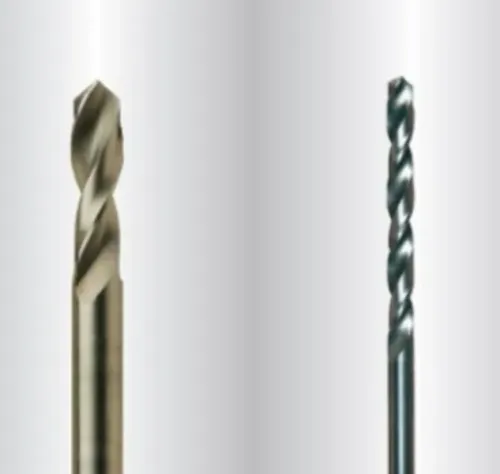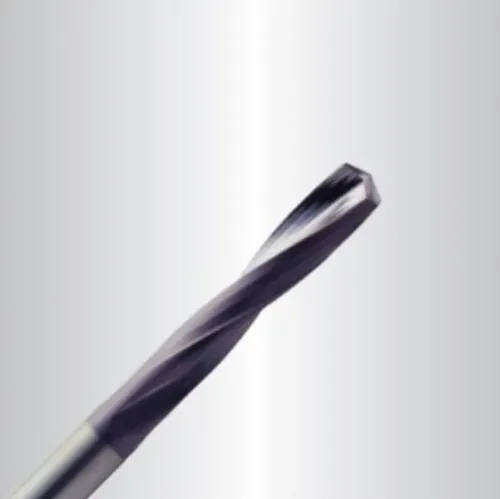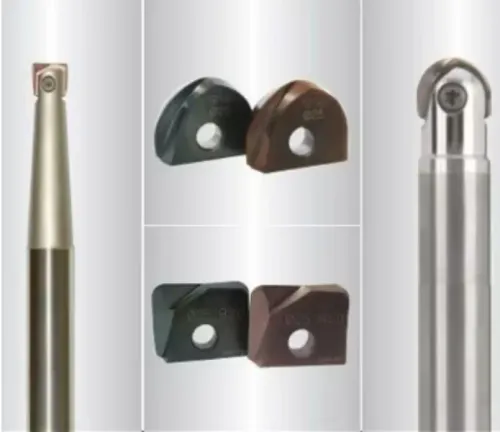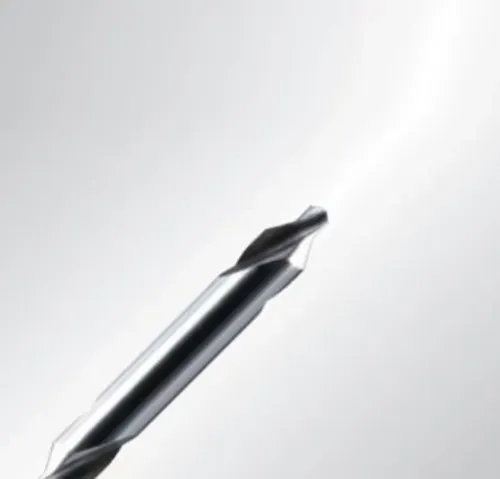


Modern machining depends on much more than the capability of a CNC machine. The cutting tool at the point of contact with the workpiece has a direct influence on dimensional consistency, surface quality, machining time and tool-change frequency. For machine shops and engineering units evaluating MIRANDA cutting tools, understanding the application should come before selecting a particular tool.
Across Delhi and the wider Delhi NCR manufacturing belt, machining operations range from general fabrication and maintenance work to automotive components, dies, fixtures and precision engineering. Each application creates different demands on cutting tools.
Why Cutting Tool Selection Matters
A cutting tool must remove material while dealing with heat, friction and mechanical forces. Incorrect tool selection may contribute to problems such as:
- Premature cutting-edge wear
- Poor surface finish
- Excessive vibration
- Longer machining cycles
- Difficulty maintaining dimensions
- Frequent tool replacement
- Unexpected tool breakage
This is why a tool should not be selected only by diameter or purchase price.
Where MIRANDA Tools May Be Used
Depending on the specific product range and specification, MIRANDA cutting tools can support common engineering operations involving drilling, cutting, threading and related metalworking requirements.
Before selecting any tool, identify four basic factors: the workpiece material, machining operation, machine capability and required finished dimensions.
For example, a tool suitable for routine machining of mild steel may not necessarily provide the same performance when used on stainless steel or another difficult-to-machine alloy.
Match the Tool to the Workpiece
Workpiece material is one of the first considerations in cutting-tool selection.
Important material characteristics include:
- Hardness
- Tensile strength
- Abrasiveness
- Heat generation during machining
- Chip-forming behaviour
- Material condition
The same cutting parameters should not automatically be applied across different materials.
Manufacturing teams should also review whether production involves continuous high-volume machining or occasional job work. A high-production component may justify closer attention to tool life and cycle-time optimisation, while maintenance work may place greater emphasis on flexibility.
Cutting Conditions Need Equal Attention
Even an appropriately selected cutting tool can perform poorly when used under unsuitable machining conditions.
Cutting speed, feed, depth of cut, coolant application and machine rigidity all affect performance. Excessive speed can accelerate heat-related wear, while inappropriate feed may result in rubbing, poor chip formation or edge damage.
When a tool repeatedly fails earlier than expected, replacing it without reviewing the machining conditions may simply reproduce the same problem.
Why Tool Life Should Be Measured
Industrial buyers sometimes compare tools primarily on unit cost. A more useful approach is to examine cost per component or productive tool life.
Suppose one tool costs less but requires several replacements during a production batch. Another tool may have a higher purchase cost but complete considerably more components while maintaining acceptable dimensions.
Production teams can record:
- Number of components produced per tool
- Average machining time
- Tool-change frequency
- Rejection or rework rate
- Surface-finish consistency
- Reason for tool replacement
This creates measurable information for future purchasing decisions.
A Practical Approach for Delhi Manufacturers
Engineering companies in Delhi should ideally maintain application records for frequently machined components. Recording the tool used, workpiece material and successful machining parameters reduces trial-and-error when repeat orders arrive.
Industrial suppliers such as R.S. Tools & Engineers Pvt. Ltd. can also be more useful when buyers provide complete application information rather than asking only for a particular tool size.
The central principle is straightforward: MIRANDA cutting tools should be evaluated as part of the complete machining process. Correct application, controlled cutting conditions and systematic tool-life measurement can help manufacturers make better-informed tooling decisions.