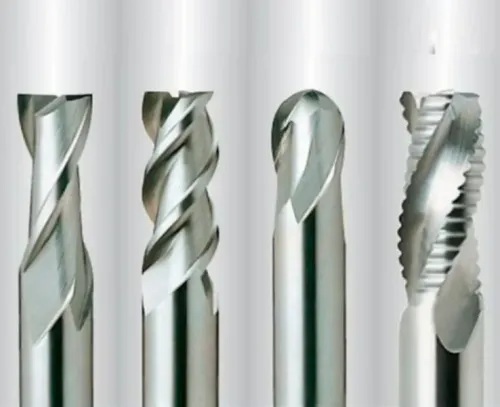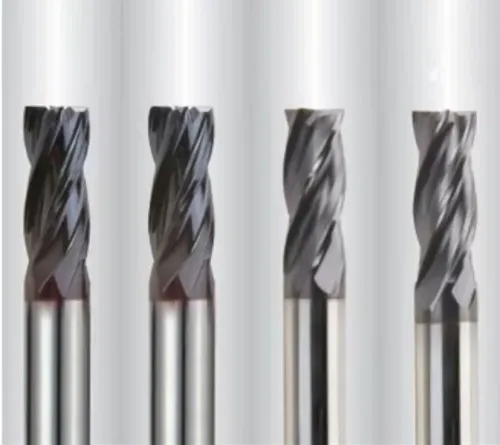
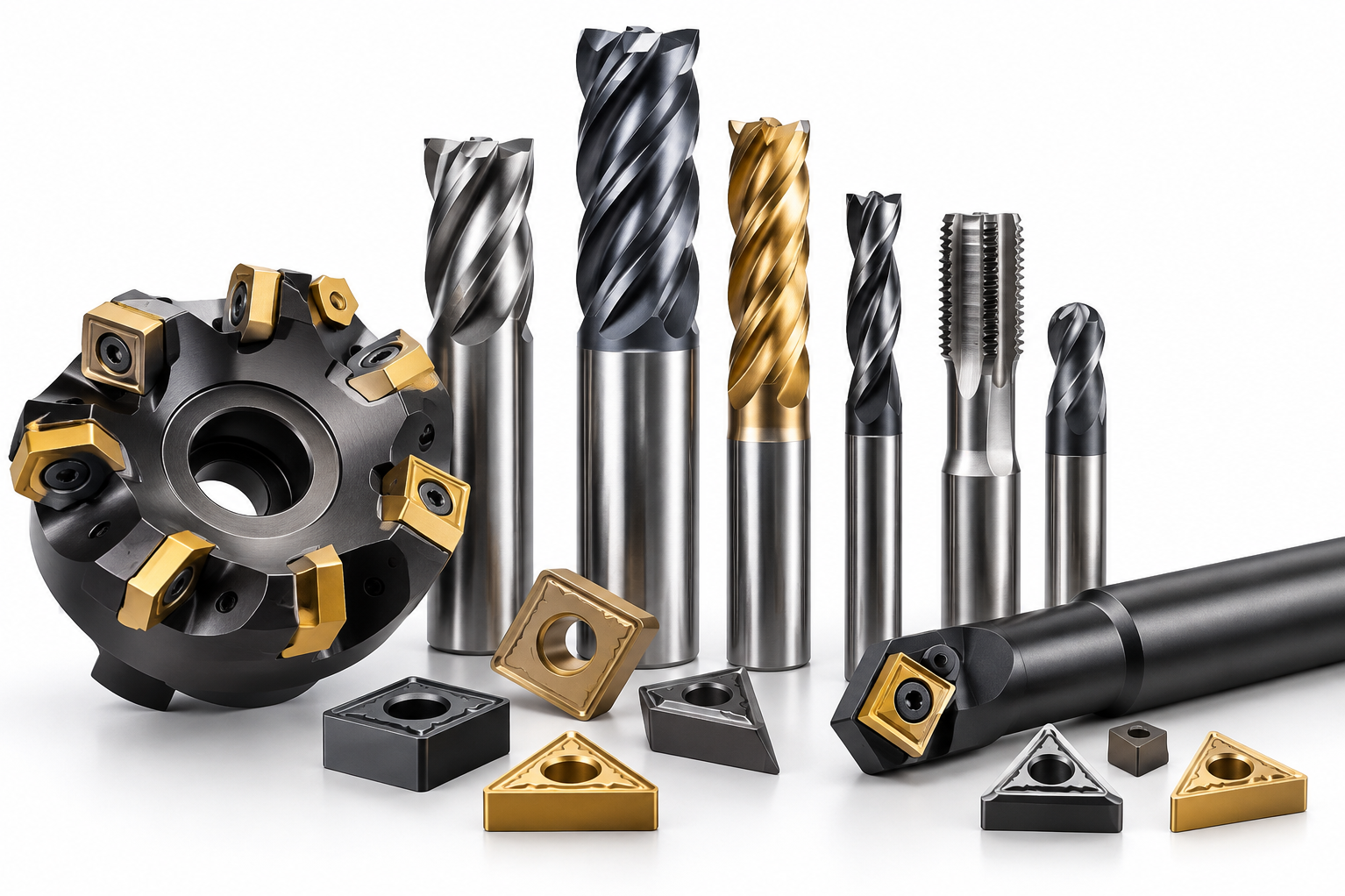
A cutting tool may appear to be a relatively small part of a manufacturing process, yet it can influence productivity throughout the production line. Companies evaluating ET cutting tools should therefore look beyond basic dimensions and determine how the tool will behave under actual machining conditions.
This is particularly relevant to machine shops and manufacturing units in Delhi, where production requirements can vary from small batches and repair jobs to repetitive CNC machining.
Start With the Machining Operation
The first question is not simply, 'Which tool should we buy?' It is, 'What exactly does the tool need to do?'
Common machining requirements include:
- Drilling
- Milling
- Threading
- Hole finishing
- Profiling
- Slotting
- General metal cutting
Each operation creates different cutting forces and chip-control requirements.
A drilling application, for instance, requires effective chip evacuation from a confined hole. A milling operation involves interrupted cutting as individual edges repeatedly enter and leave the workpiece.
Understanding this difference prevents tools from being selected solely because their dimensions appear suitable.
Machine Condition Affects Tool Performance
Tooling performance cannot be separated from machine condition.
Spindle runout, inadequate workholding, worn holders and vibration can shorten tool life even when the cutting tool itself is appropriate.
Before blaming the tool for repeated failures, check:
- Toolholder condition
- Tool overhang
- Workpiece clamping
- Machine rigidity
- Spindle condition
- Coolant delivery
- Alignment
This troubleshooting step can prevent unnecessary tooling changes.
Cutting Parameters Should Not Be Guessed
Machinists frequently develop practical knowledge through experience, but relying entirely on familiar speed and feed settings can create problems when tooling or workpiece materials change.
Cutting speed influences temperature at the cutting edge. Feed determines how much material each cutting edge removes, while depth of cut affects cutting load.
An effective starting point is to use application-appropriate recommendations and then make controlled adjustments while monitoring wear, chip formation and component quality.
Changing several parameters simultaneously makes it difficult to identify what actually improved or worsened performance.
Read the Chips
Chips provide valuable information about what is happening at the cutting edge.
Unexpected changes in chip shape, colour or evacuation can indicate unsuitable cutting conditions, excessive heat or a developing tool problem.
Operators should pay particular attention when:
- Chips begin wrapping around the tool
- Chip evacuation becomes inconsistent
- Unusual discoloration appears
- Burr formation increases
- Cutting noise changes
- Surface finish deteriorates
These signs can help identify problems before a tool fails completely.
Tool Wear Should Be Predictable
The goal in production machining is not to prevent all wear. Every cutting edge eventually wears. The objective is to make wear sufficiently controlled and predictable that the tool can be replaced before it damages a component or interrupts production.
A simple tool-life record can include the component number, material, machining parameters, number of parts completed and observed wear pattern.
For repeat production, this information can become part of the process sheet.
Building a More Stable Machining Process
Delhi's industrial businesses often operate under pressure to maintain delivery schedules while controlling production costs. Tooling decisions therefore need to consider both technical performance and process reliability.
R.S. Tools & Engineers Pvt. Ltd. works within the industrial tools and engineering-supplies sector serving machining requirements in the region. Regardless of supplier, buyers will usually receive more relevant guidance when they share detailed application information.
ET cutting tools should ultimately be assessed under real operating conditions. Matching the tool to the operation, maintaining rigid machining conditions and tracking actual tool life provides a stronger foundation for consistent manufacturing than selecting tools on price alone.